Comptroller Lierman and Dan Schwartz Headline Community Conversation on Affordability
Standing-room-only gathering at The Bank in downtown Chestertown explores housing costs, consumer protection, and the role of government in making everyday life more affordable.
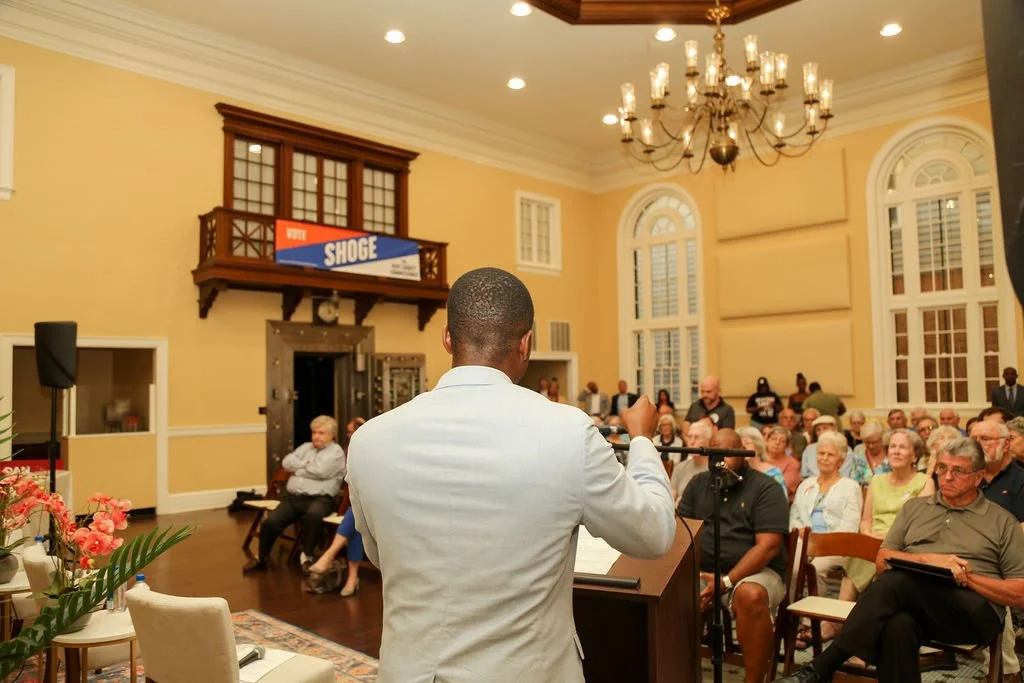
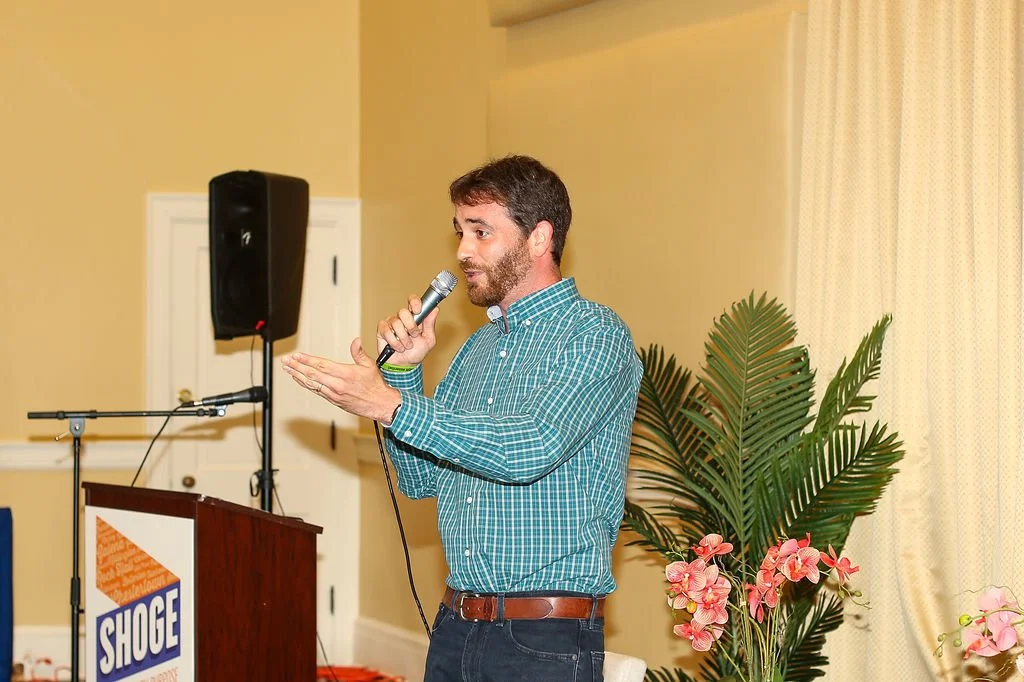
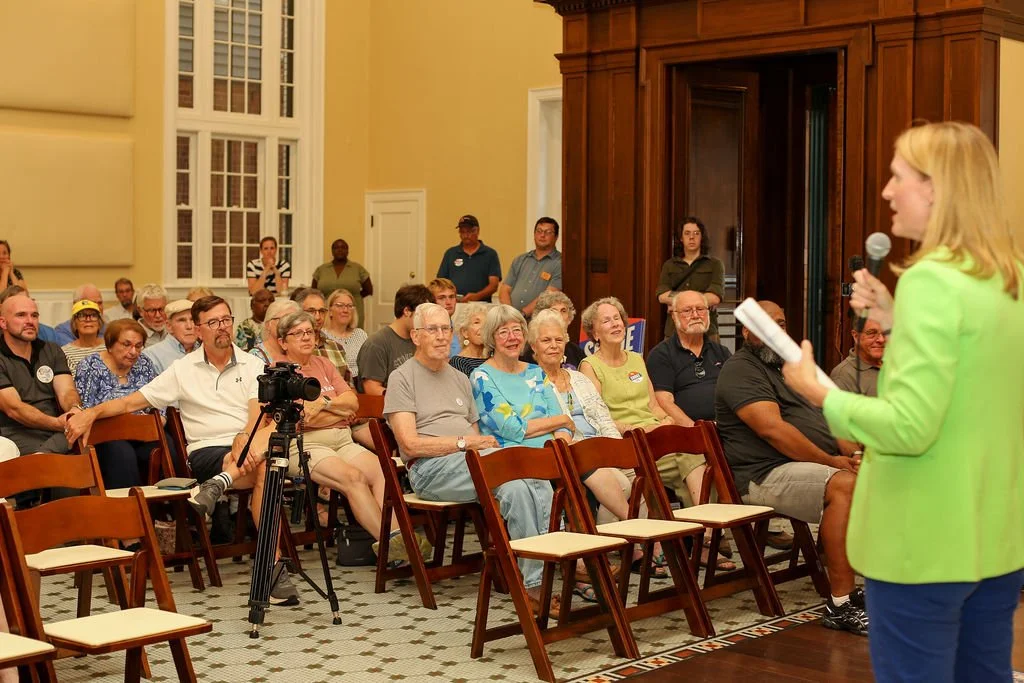
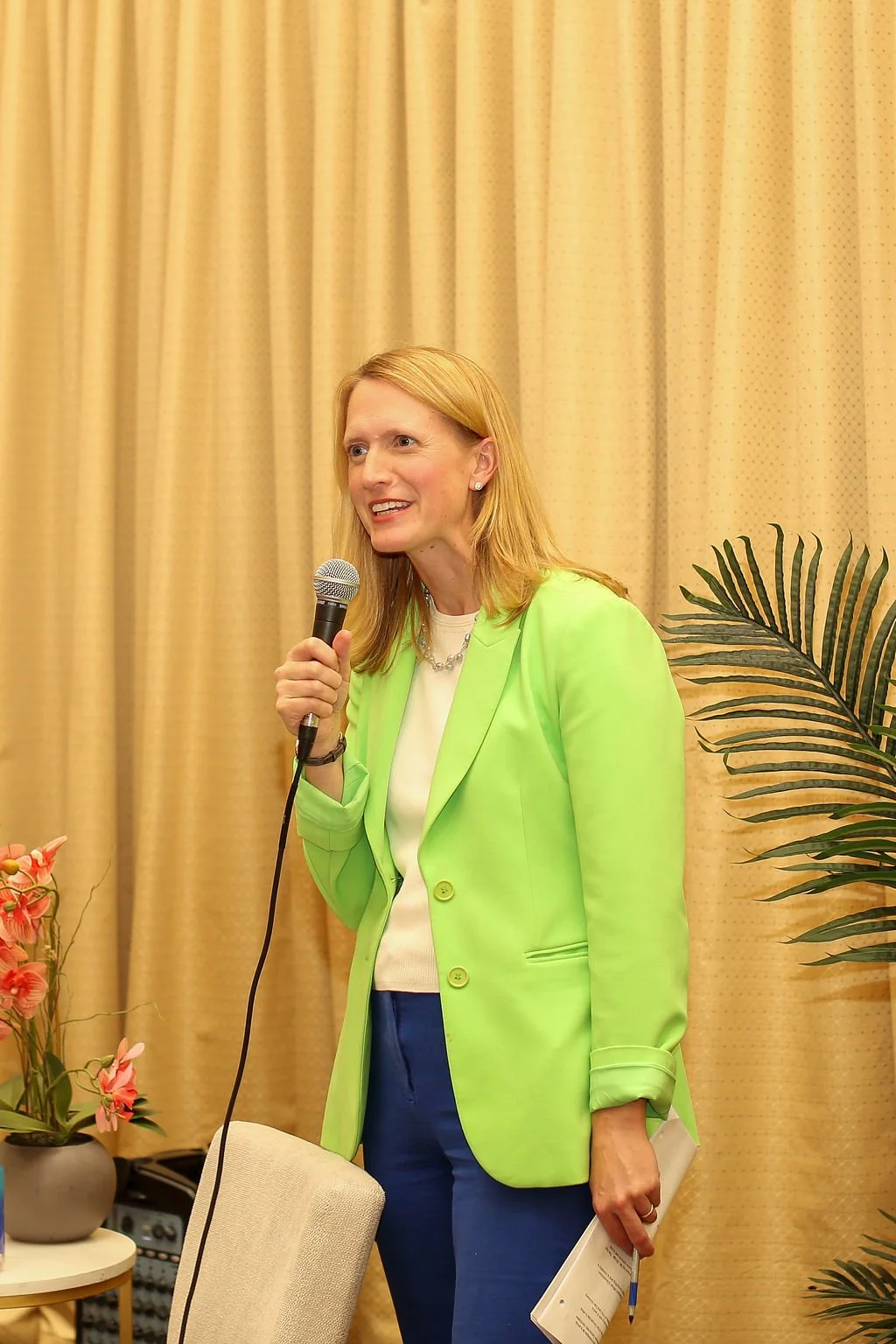
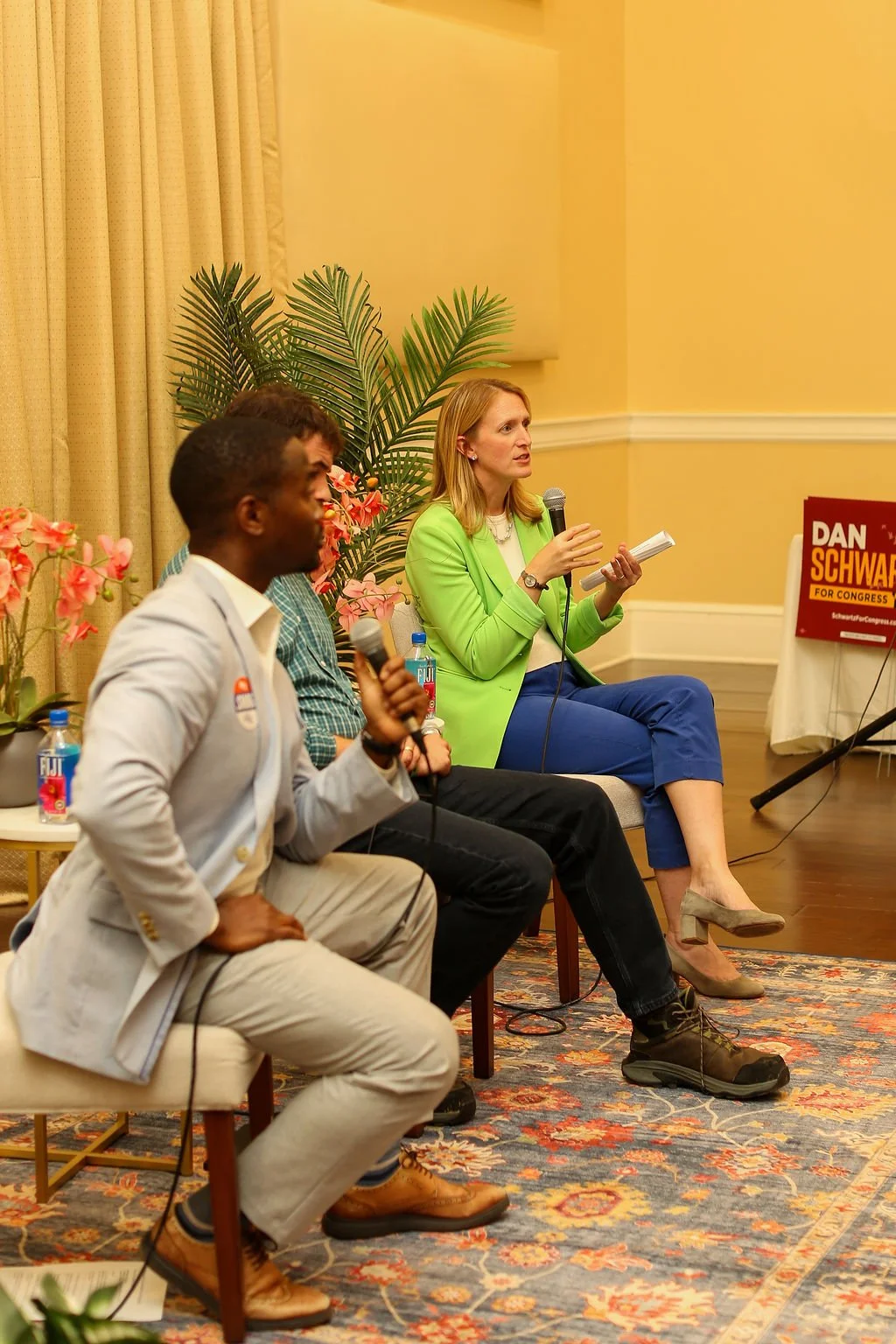
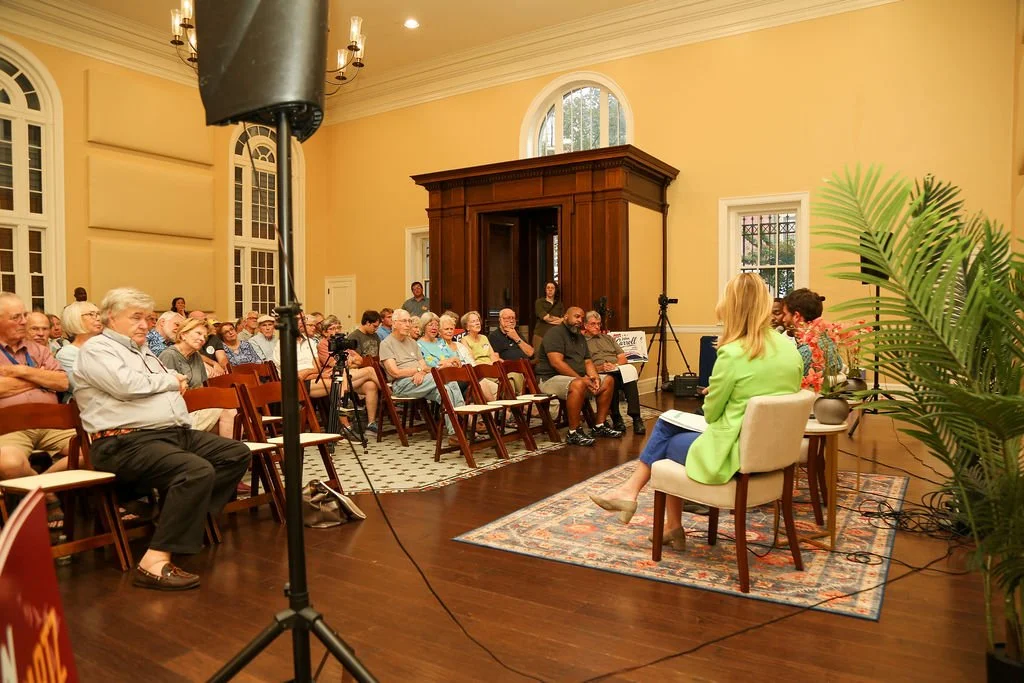
A standing-room-only crowd filled The Bank in downtown Chestertown on September 8 for a Community Conversation on Affordability featuring Maryland Comptroller Brooke Lierman and Dan Schwartz, candidate for Maryland’s First Congressional District. The discussion examined the financial pressures facing households and the steps local, state, and federal government can take to address them.
Hosted and moderated by Sam Shoge, a candidate for Kent County Commissioner, the event combined a guided discussion with audience questions. Topics ranged from housing, groceries, energy, and childcare to household debt, banking regulation, taxes, and the challenges of sustaining a workforce in communities where living costs continue to rise.
The conversation opened with a fundamental question: What does affordability actually mean to the people experiencing it?
“We cannot let affordability become some sort of cliché term,” Schwartz said. “We have to be able to dig into the various aspects of what actually makes for an affordable life.”
Schwartz described families struggling to cover essential expenses while finding it increasingly difficult to save for emergencies. Drawing on his experience working in financial regulation and consumer protection, he connected those pressures to federal trade and tax policies, healthcare costs, and access to financial safeguards. He also spoke about his wife’s work as a family nurse practitioner and the challenges she encounters helping patients obtain insurance coverage for needed care.
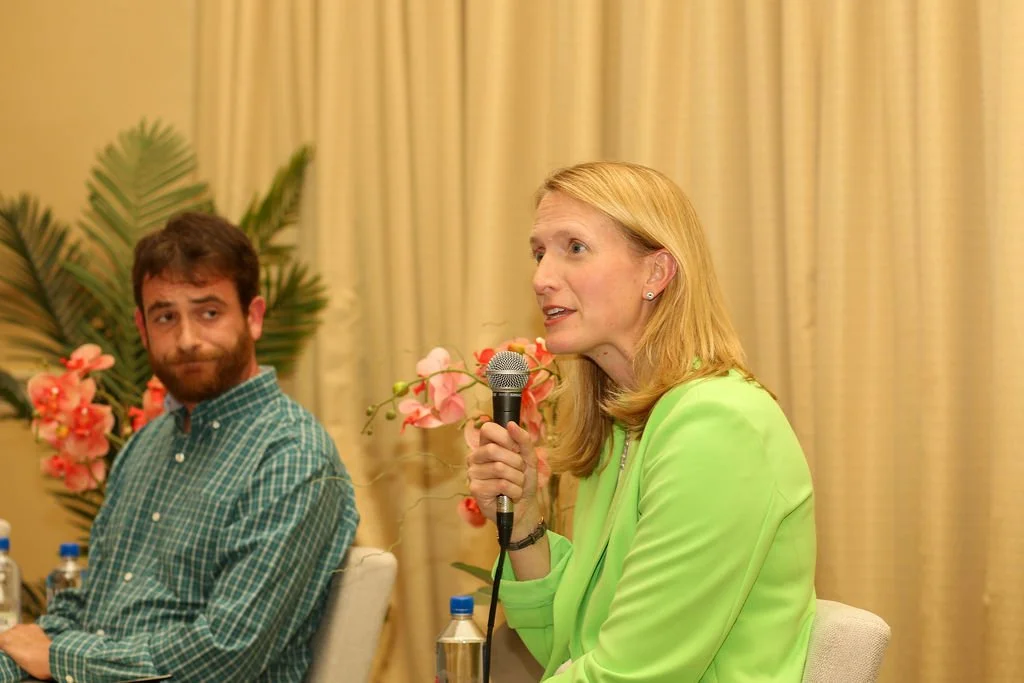
Lierman framed affordability around the expenses households face every day, identifying housing, energy, and food as central concerns. She emphasized that those deeply personal financial decisions are influenced by policy at every level of government.
Asked how to measure economic conditions beyond stock market performance, Lierman pointed to her office’s quarterly economic dashboard and research on housing, childcare, migration, and other issues affecting Maryland’s economy. She explained that strong revenue collections and high statewide incomes can coexist with significant financial hardship.
Schwartz urged residents and policymakers to consider indicators closer to daily life, including whether children have stable housing and enough to eat, and how heavily families rely on credit to meet basic expenses. He called for closer attention to credit card debt, overdraft charges, and late fees, while emphasizing the importance of effective consumer protection.
Housing emerged as a central theme throughout the evening. Lierman described its cost as both a household concern and an obstacle to Maryland’s economic competitiveness. In meetings with business leaders across the state, she said, housing repeatedly surfaced as a major barrier to recruiting and retaining employees.
She discussed her office’s research into the obstacles to new housing construction, including overlapping requirements at the municipal, county, and state levels. Using the phrase “Smith island cake effect of regulations,” Lierman described how layers of individually well-intentioned rules can collectively make housing more difficult and expensive to build.
Her office’s role, she explained, is to provide research and analysis that help policymakers understand those barriers and evaluate changes. She also emphasized that economic progress requires attention to the quality of jobs and whether wages keep pace with living costs.
The discussion moved from identifying problems to examining tools for investment. Lierman described her work with state leaders to establish the Maryland Community Investment Corporation, which she chairs. The entity is intended to help Maryland compete more effectively for federal New Markets Tax Credits and attract investment to distressed communities, including rural areas.
Schwartz expressed support for strengthening that federal program and discussed incentives to help small businesses renovate vacant storefronts and hire locally. He also advocated support for nurses, doctors, firefighters, and police officers so that essential workers can afford to live in the communities they serve.
Community banks were another focus. Schwartz argued that financial oversight must protect consumers while accounting for the differences between large financial institutions and small local banks. He acknowledged that excessive regulatory burdens can harm community lenders and emphasized their role in supporting small businesses and local events.
Asked what he would pursue at the federal level, Schwartz outlined priorities including reversing tariffs he said increase household and business costs, closing tax loopholes benefiting the wealthiest taxpayers, and removing the earnings cap on Social Security payroll contributions to strengthen the program’s finances.
Lierman emphasized that affordability also depends on whether government programs reach the people they are intended to serve.
“It’s really important that governments not only do the right thing, but also do the thing right,” she said.
She cited outreach to households eligible for Maryland’s Earned Income Tax Credit and improvements that allow residents to claim unclaimed property online. Passing a policy, she explained, is only part of the work; effective administration must make its benefits accessible.
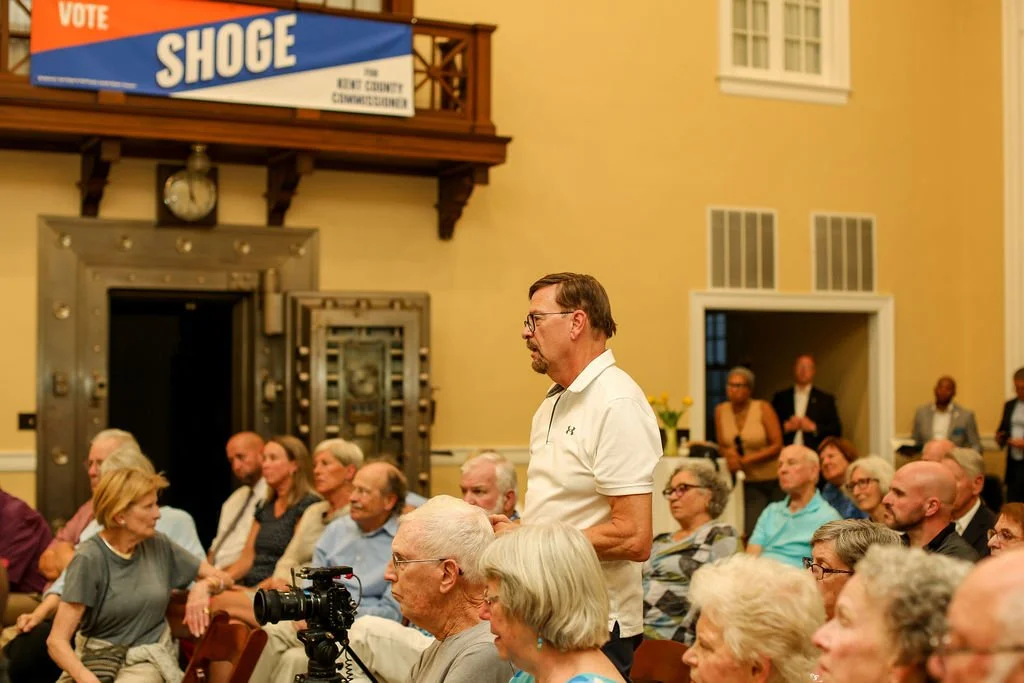
Audience questions brought the discussion directly to residents’ concerns about state and local taxes, vehicle registration fees, retirement income, and Maryland’s cost of living compared with neighboring states. Attendees also asked about measuring the cumulative tax burden on households and accessing resources for local housing investment. One resident described concerns about rent increases and displacement.
Responding to questions about taxes, Lierman distinguished her responsibility to administer tax laws and provide data from the tax policy decisions made by the governor and General Assembly. She also welcomed the suggestion of exploring a more comprehensive view of household tax burdens.
The evening gave residents an opportunity to raise specific financial concerns and hear state and federal perspectives on possible responses. Across the discussion, Lierman and Schwartz returned to the practical consequences of affordability: whether families can meet basic expenses, workers can live near their jobs, small businesses can thrive, and residents can build financial security in their own communities.